
When a business chooses an OEM manufacturer, product quality is one of the most important factors that can determine whether a product succeeds in the market.
A well-developed product can still fail if the raw materials are inconsistent, production processes are not properly controlled, packaging is defective, or finished products do not meet the required specifications.
This is why OEM quality assurance should not be treated as a final inspection performed after manufacturing. It should be built into every stage of the manufacturing process—from supplier selection and raw material inspection to production, packaging, testing, and final product release.
For brands developing skincare, personal care, household, or other consumer products, working with an OEM manufacturer that follows a structured quality assurance system can help reduce production risks, maintain product consistency, and protect long-term brand reputation.
In this guide, we explain what OEM quality assurance involves, why it matters, and what businesses should look for when evaluating an OEM manufacturing partner in Malaysia.
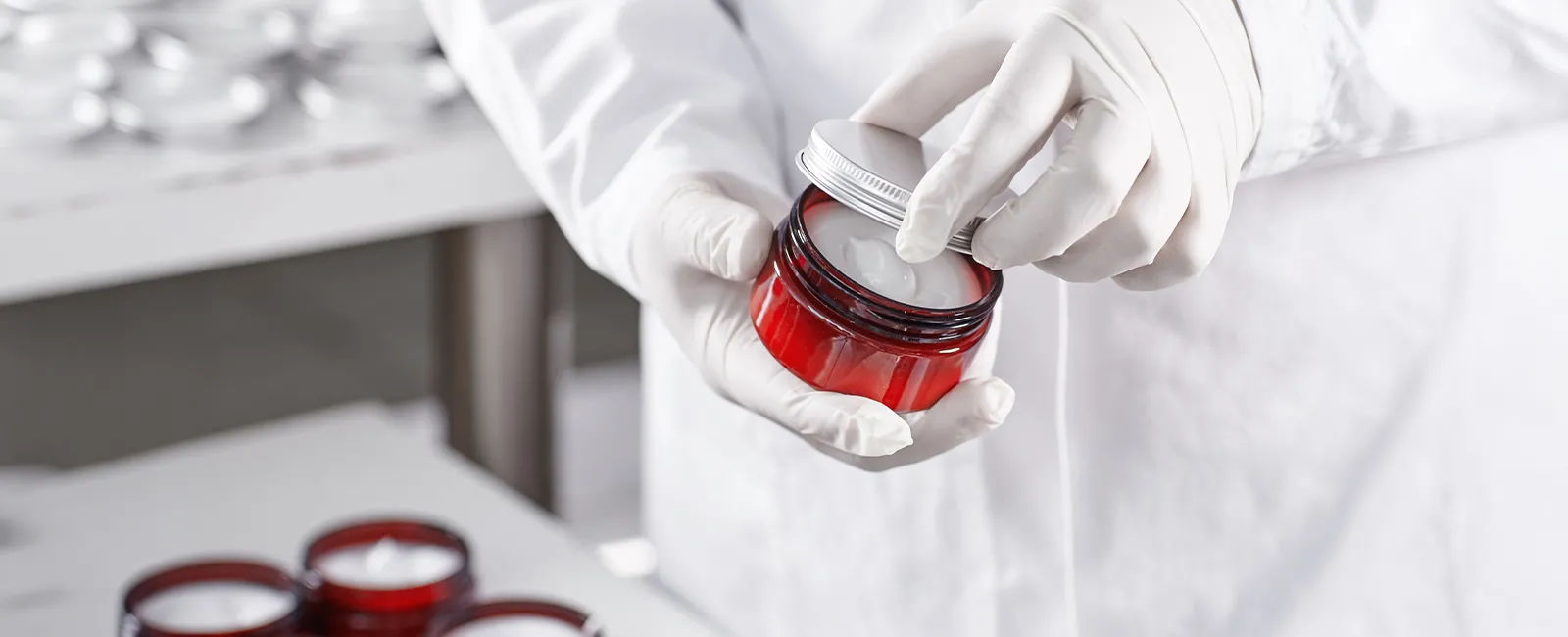
What Is OEM Quality Assurance?
OEM quality assurance refers to the systematic processes used to ensure that products consistently meet predefined quality, safety, performance, and specification requirements throughout the manufacturing lifecycle.
Quality assurance focuses on preventing problems before they reach the customer, while quality control focuses on identifying and managing issues through inspections and testing.
A comprehensive OEM quality system may cover:
- Supplier qualification
- Raw material inspection
- Packaging material inspection
- Production process control
- Product testing
- In-process inspection
- Finished product inspection
- Batch traceability
- Documentation and record keeping
- Corrective and preventive actions
Together, these processes create a structured approach to maintaining consistent product quality.
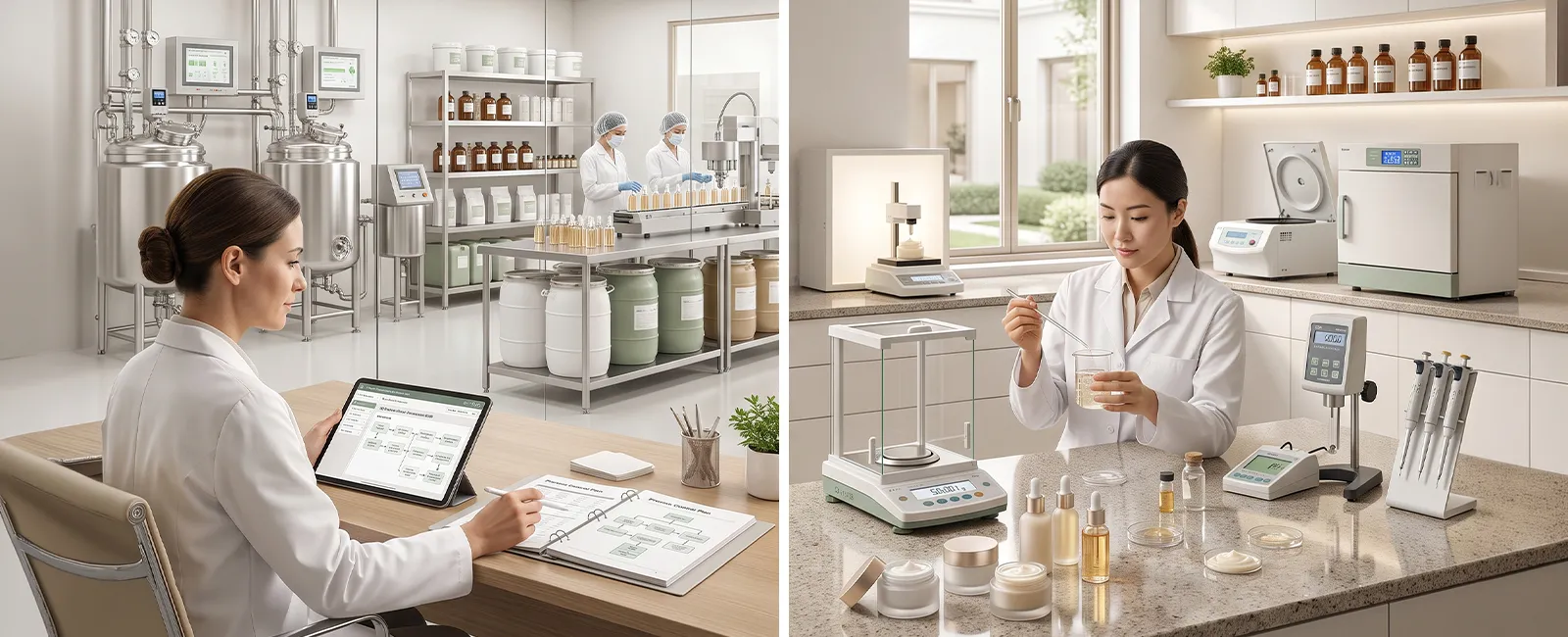
Quality Assurance vs Quality Control: What's the Difference?
The terms quality assurance and quality control are often used interchangeably, but they serve different purposes.
Quality Assurance
Quality assurance is primarily Process-focused.
It establishes systems and procedures designed to prevent quality problems from occurring.
Examples include:
- Approved supplier procedures
- Standard operating procedures
- Production specifications
- Staff training
- Manufacturing documentation
- Process monitoring
Quality Control
Quality control is primarily Product-focused.
It involves inspecting and testing products to determine whether they meet established specifications.
Examples include:
- Raw material testing
- In-process checks
- Product testing
- Packaging inspection
- Finished product inspection
In practice, effective quality control manufacturing works together with quality assurance to create a more reliable production system.

Why Is Quality Assurance Important in OEM Manufacturing?
1. Ensures Consistent Product Quality
Customers expect every purchase of the same product to deliver a consistent experience.
For example, a skincare product should maintain consistent:
- Texture
- Colour
- Fragrance
- Appearance
- Performance
- Fill volume
Variations between production batches can negatively affect customer satisfaction and brand perception.
A structured quality assurance system helps manufacturers identify and control variables that could affect product consistency.
2. Protects Your Brand Reputation
For consumers, the manufacturer may be invisible—but the brand on the product is not.
If a product arrives damaged, has inconsistent quality, or does not perform as expected, customers are likely to associate the problem with the brand rather than the factory.
This means product quality is directly connected to brand reputation.
A reliable OEM manufacturing partner should therefore treat every production batch as a reflection of the customer’s brand.
3. Reduces Manufacturing Risks
Manufacturing involves multiple variables, including raw materials, machinery, personnel, packaging, suppliers, and production conditions.
Without proper controls, small issues can develop into larger problems.
For example:
Raw Material
Variation
Not Meet Specifications
Investigation or Rejection
and Additional Costs
Raw Material
Variation
Not Meet Specifications
Investigation or Rejection
and Additional Costs
Effective quality assurance aims to identify potential issues earlier in the process, reducing the likelihood of expensive problems later.

Key Stages of OEM Quality Assurance
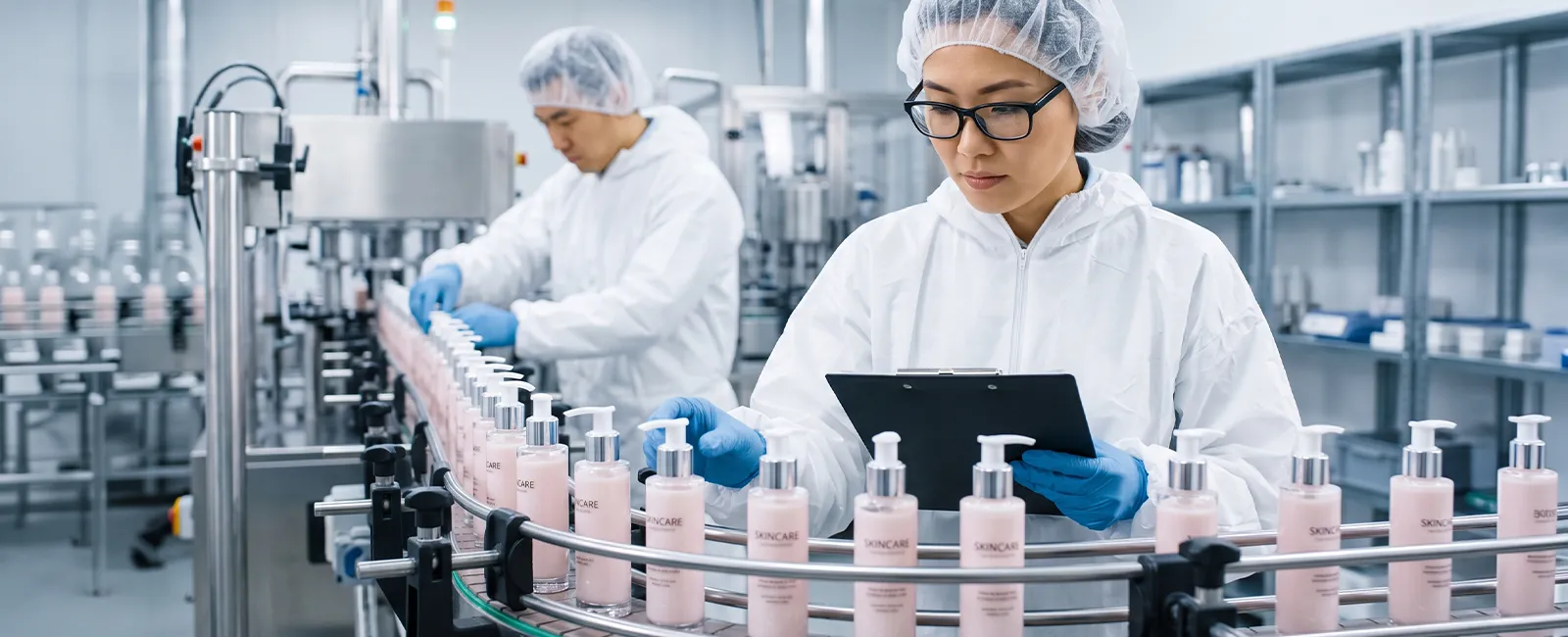
A strong quality system should cover the entire manufacturing journey rather than relying solely on final inspection.
1. Ensures Consistent Product Quality
Quality begins before materials arrive at the manufacturing facility.
An OEM manufacturer should have processes for evaluating and approving suppliers based on factors such as:
- Material quality
- Reliability
- Consistency
- Documentation
- Technical specifications
- Supply capability
Supplier inspection and supplier qualification help ensure that incoming materials originate from reliable sources.
This is particularly important when product quality depends heavily on specific ingredients, components, packaging materials, or other raw materials.
2. Raw Material Inspection
Once materials arrive, they should be checked against established specifications before entering production.
Depending on the material, inspection may involve:
- Visual inspection
- Quantity verification
- Packaging condition
- Identification checks
- Documentation review
- Specification verification
- Appropriate laboratory testing
The objective is to prevent unsuitable materials from entering the manufacturing process.
3. Production Process Control
Quality control should continue throughout production.
Manufacturers may monitor factors such as:
- Production parameters
- Mixing or processing conditions
- Batch quantities
- Temperature
- Filling accuracy
- Equipment performance
- Production environment
Standardized procedures help ensure that each production batch follows the same defined process.
This is particularly important for brands that need consistent quality as production volumes increase.
4. In-Process Quality Checks
Quality checks performed during production allow potential issues to be detected before the entire batch is completed.
For example, manufacturers may check:
- Product appearance
- Weight or volume
- Packaging alignment
- Filling consistency
- Label positioning
- Product characteristics
Early detection allows corrective action to be taken before an issue affects a larger quantity of products.
5. Finished Product Inspection
Before products are released, finished goods should undergo appropriate inspection and testing based on their specifications.
This can include checks for:
- Appearance
- Packaging condition
- Labelling
- Quantity
- Product specifications
- Functional requirements
- Applicable testing criteria
Finished product inspection provides an additional layer of protection before products reach distributors, retailers, or customers.
6. Packaging Quality Inspection
Packaging is an important part of product quality.
A high-quality product can still create a poor customer experience if the packaging is damaged, incorrectly printed, leaking, or poorly assembled.
Packaging inspection may cover:
- Bottle or container condition
- Caps and closures
- Labels
- Printing accuracy
- Colour consistency
- Cartons
- Seals
- Batch coding
- Overall presentation
For personal care and consumer products, packaging quality also contributes significantly to perceived brand value.

What Happens When a Quality Issue Is Identified?
Quality assurance is not simply about identifying problems—it is also about managing them systematically.
When an issue is discovered, manufacturers may investigate:
- What happened?
- When did it happen?
- Which materials or processes were involved?
- How much product could be affected?
- What caused the issue?
- What corrective action is required?
- How can the issue be prevented from happening again?
This approach helps manufacturers move beyond simply fixing an individual problem and instead improve the underlying process.
How Quality Assurance Benefits Your Business
Investing in strong OEM quality assurance provides benefits beyond product inspection.
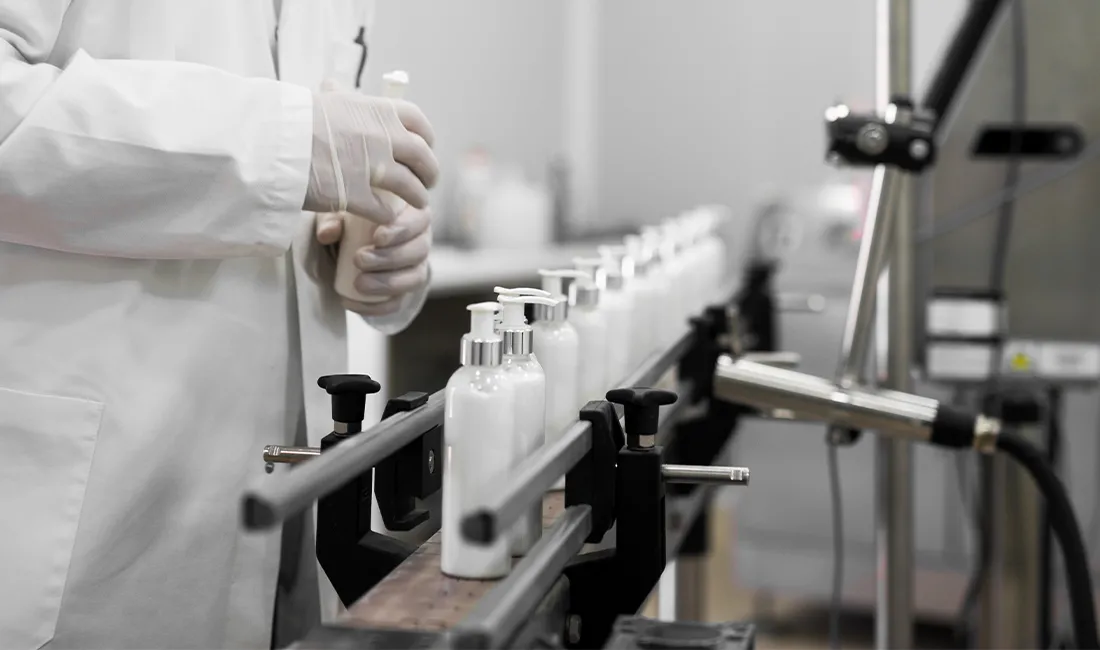
Fewer Production Problems
Early detection helps prevent issues from progressing through the manufacturing process.
More Consistent Products
Standardized processes support greater batch-to-batch consistency.
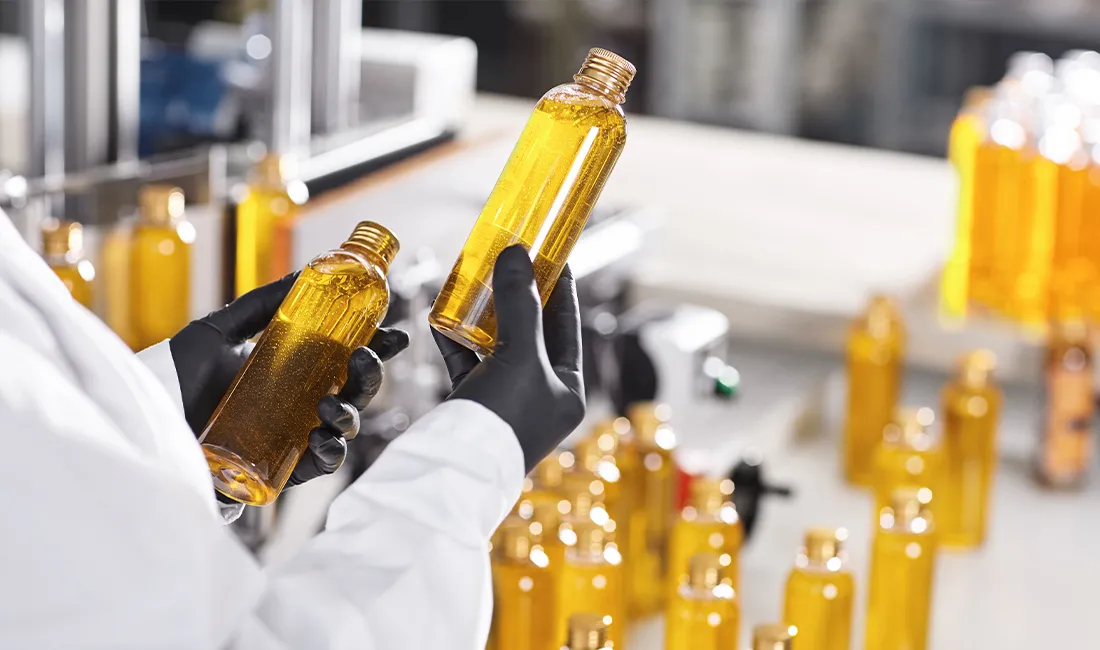

Better Customer Experience
Reliable products help brands meet customer expectations.
Reduced Business Risk
Quality systems help identify potential manufacturing risks before products reach the market.

Stronger Brand Reputation
Consistent quality helps build consumer trust over time.
Better Production Efficiency
Clear procedures and quality controls can reduce rework, rejected batches, and avoidable production disruptions.
How to Evaluate an OEM Manufacturer's Quality System
Before choosing an OEM manufacturer Malaysia, don’t only ask about production capacity or pricing.
Ask how the manufacturer manages quality.
Consider asking:
1. How are suppliers selected and evaluated?
A manufacturer should have a defined process for approving suppliers and materials.
2. How are incoming raw materials inspected?
Understand what checks are performed before materials enter production.
3. What quality checks happen during manufacturing?
Ask whether quality is monitored throughout production rather than only at the end.
4. How are finished products tested and inspected?
The manufacturer should be able to explain the relevant inspection and testing procedures for your product.
5. How are quality issues handled?
Ask whether the manufacturer has a documented process for investigation, corrective action, and prevention.
6. How are production batches tracked?
Good traceability helps businesses investigate potential quality issues efficiently.
7. How is packaging quality controlled?
Packaging should be included in the quality system rather than treated as a separate afterthought.

Why Quality Matters When Choosing an OEM Partner
Choosing an OEM manufacturer is not simply a decision about who can produce your product at the lowest cost.
A manufacturing partner has a direct impact on:
- Product consistency
- Production reliability
- Customer satisfaction
- Brand reputation
- Operational efficiency
- Long-term scalability
For this reason, businesses should evaluate an OEM partner based on the complete value of its manufacturing and quality system, rather than comparing production prices alone.
A manufacturer with strong quality assurance processes can help brands establish a more reliable foundation as they move from product development to commercial production.
Conclusion
OEM quality assurance is an essential part of successful product manufacturing. It goes beyond inspecting finished products and involves managing quality throughout the entire manufacturing lifecycle.
From supplier inspection and raw material checks to production control, in-process inspection, product testing, packaging inspection, and batch traceability, every stage contributes to the final quality of the product.
For brands working with an OEM manufacturer, a strong quality assurance system can help reduce manufacturing risks, maintain product consistency, protect brand reputation, and support sustainable business growth.
When evaluating an OEM manufacturing partner in Malaysia, look beyond production capacity and pricing. Ask how the manufacturer manages quality from the moment materials enter the facility until the finished products are ready for delivery.
Because ultimately, the quality of your manufacturing partner becomes part of the quality your customers experience.
Frequently Asked Questions
What is OEM quality assurance?
OEM quality assurance is a structured system of processes designed to ensure products consistently meet defined quality, safety, performance, and specification requirements throughout manufacturing.
What is the difference between quality assurance and quality control?
Quality assurance focuses on preventing quality problems through processes, systems, and procedures, while quality control focuses on inspecting and testing products to identify whether they meet specified requirements.
Why is supplier inspection important in OEM manufacturing?
Supplier inspection helps manufacturers evaluate the quality and reliability of incoming materials and reduce the risk of unsuitable or inconsistent materials entering production.
What is checked during manufacturing quality control?
Depending on the product, quality control may include checks on raw materials, production parameters, product appearance, weight or volume, packaging, labelling, and finished product specifications.
How does quality assurance protect a brand?
Consistent quality reduces the likelihood of defective or inconsistent products reaching customers, helping protect customer satisfaction and the brand's reputation.
Should packaging be included in quality control?
Yes. Packaging can affect product protection, presentation, usability, and customer experience. Packaging inspection should therefore be incorporated into the overall quality management process.
What should I ask an OEM manufacturer about quality assurance?
Ask about supplier qualification, raw material inspection, production controls, testing procedures, finished product inspection, batch traceability, documentation, and how quality issues are investigated and corrected.